
Prana AI
An AI-powered wellness app that transforms complex health data into personalized actions.
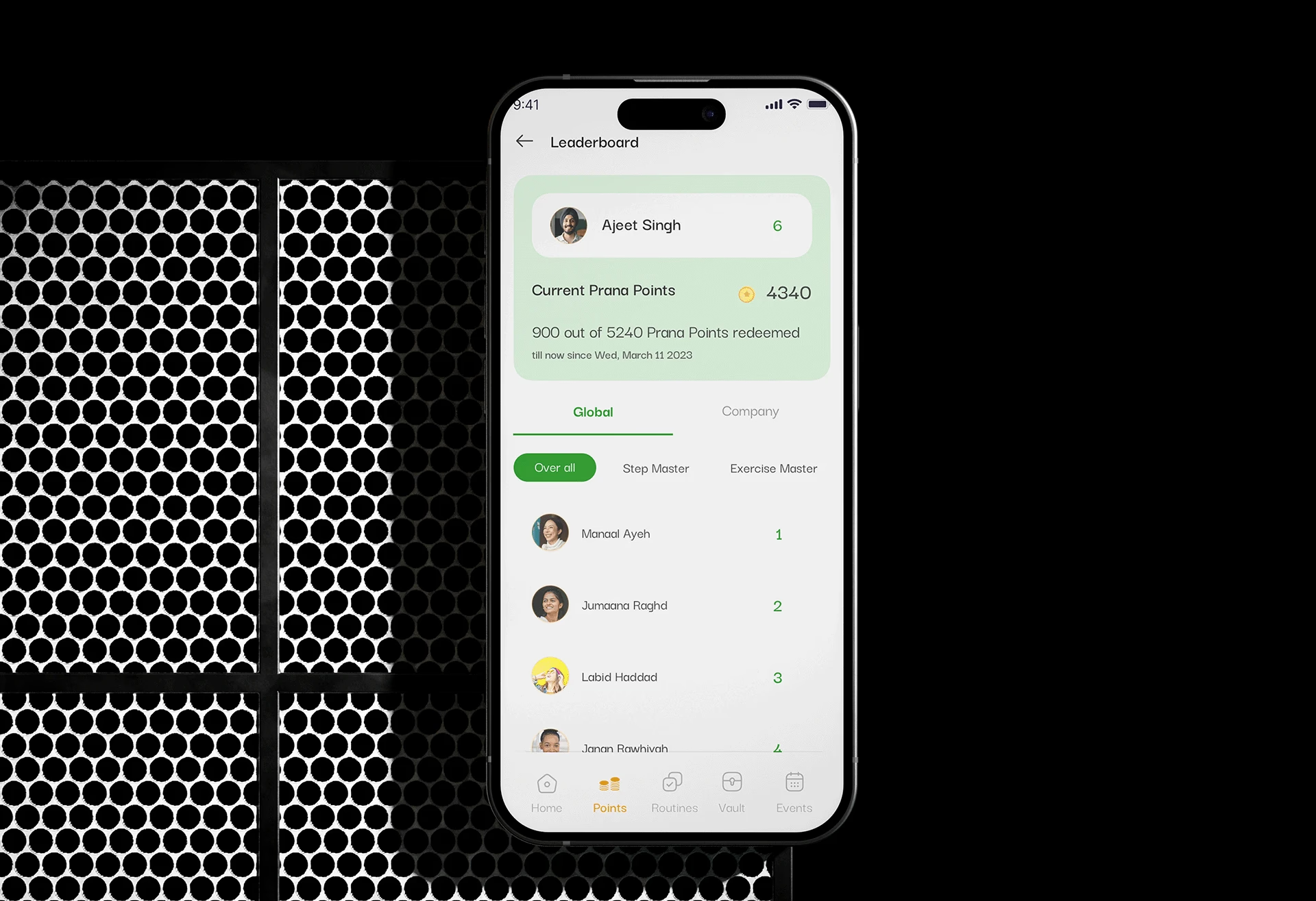
Most wellness applications collect enormous amounts of information (heart rate, sleep, nutrition, exercise, stress, blood pressure) but leave users asking 'What should I actually do next?'
Designed an end-to-end mobile experience that transforms raw health information into clear, personalized guidance with facial scanning, AI wellness scoring, and 2-step expert consultations.
“People don't need more health data—they need confidence in what to do next.”
Executive Overview
Prana AI is an AI-powered wellness platform that combines facial health scanning, personalized wellness scoring, AI-generated health plans, expert consultations, and habit tracking into one cohesive experience.
Over twelve months, I designed the complete mobile experience—from product discovery and research to interaction design, visual design, and developer handoff.
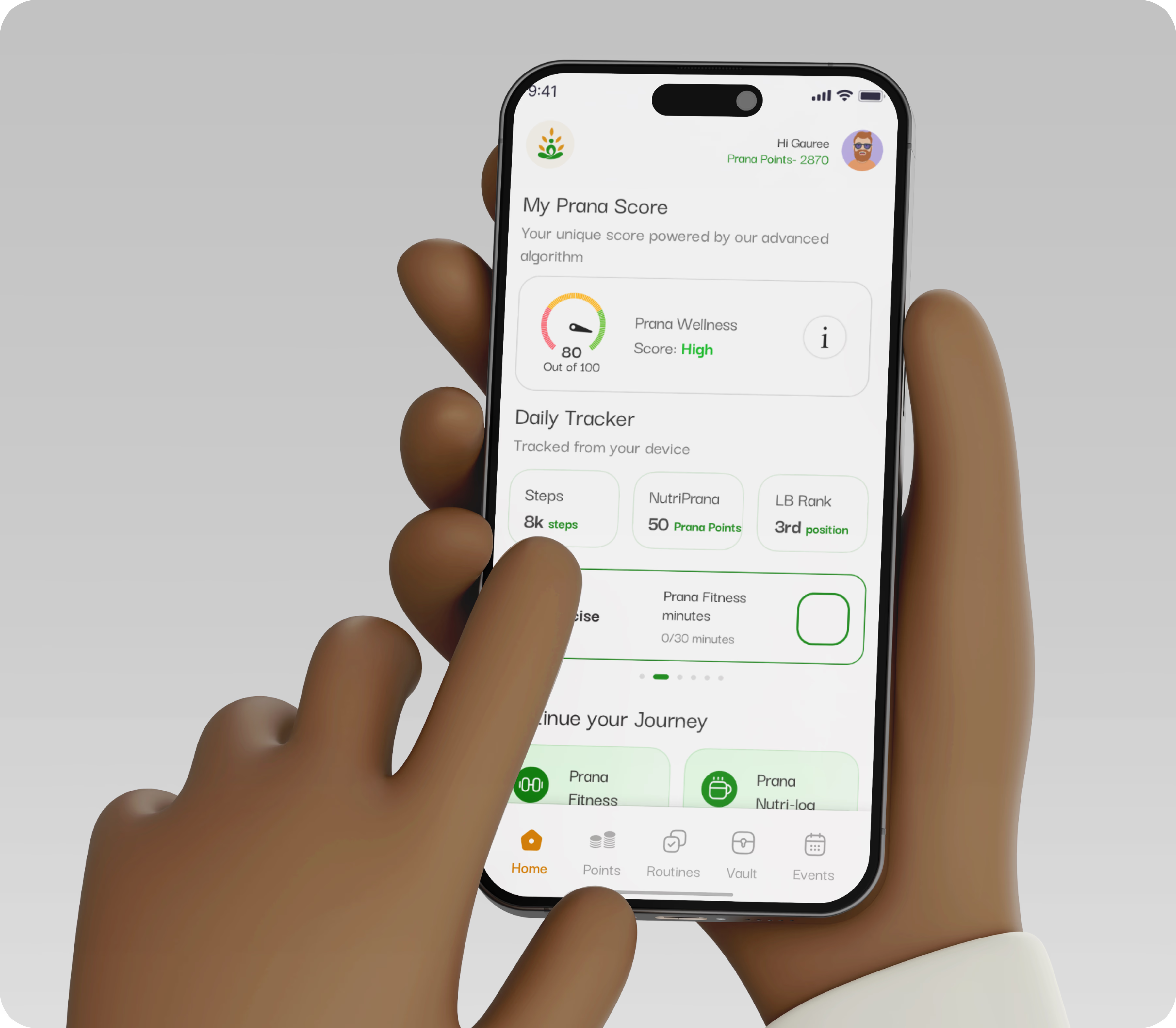
My Role
As the sole Product Designer, I owned the complete product experience.
From the earliest discovery workshops through launch preparation, I collaborated closely with the founders and engineers to shape both the product strategy and the user experience.
My responsibilities included:
Defining Success
Before exploring interfaces, we aligned on what success should look like.
A successful experience would allow users to:
These principles became the foundation for every design decision that followed.
Understanding the Product
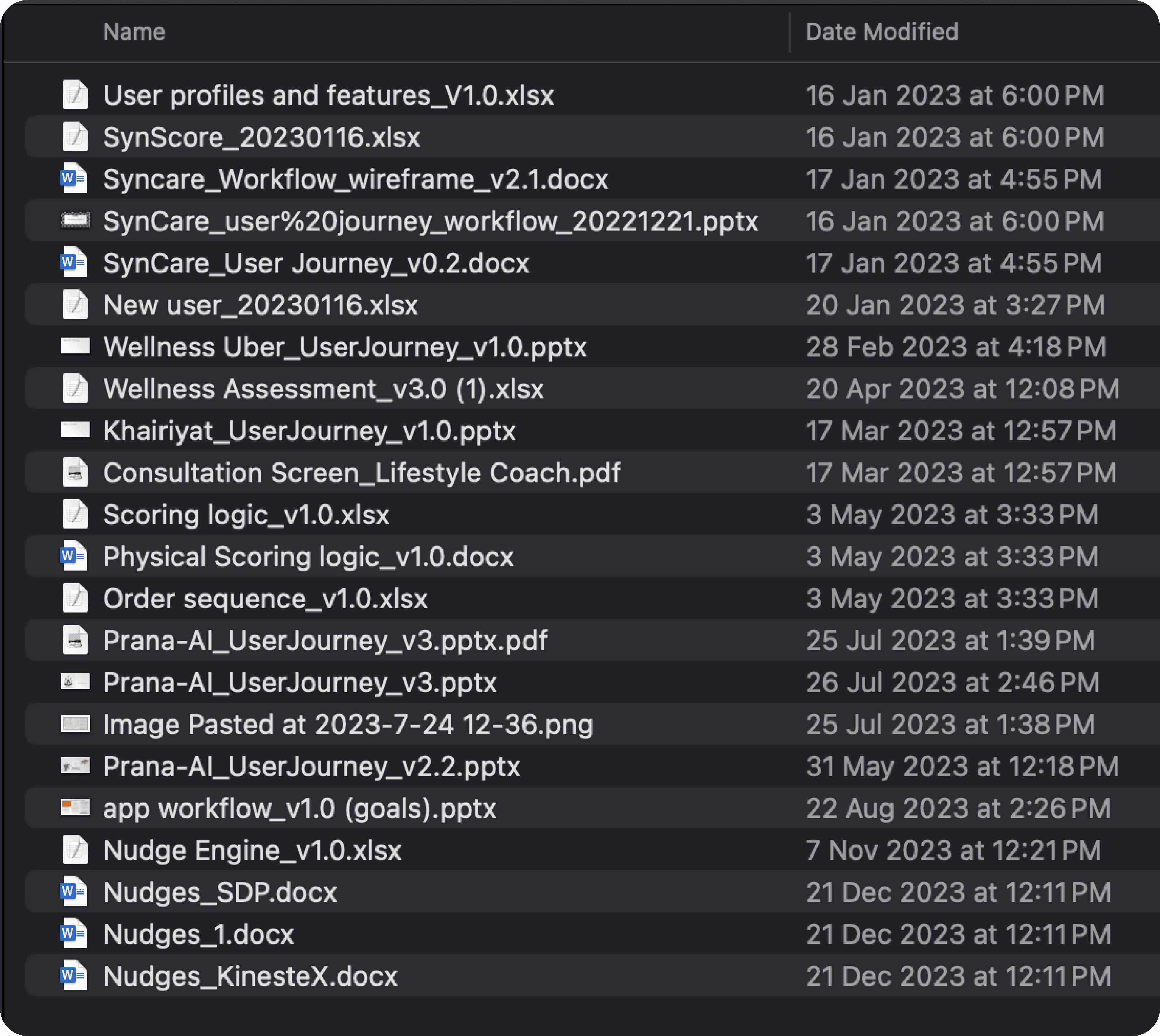
The client provided an extensive collection of documentation covering:
Rather than treating these as implementation documents, I used them to understand how business goals, AI capabilities, and user expectations intersected.
Understanding Users
Before designing solutions, I wanted to understand where existing wellness products failed.
Research focused less on identifying desired features and more on uncovering behavioral patterns.
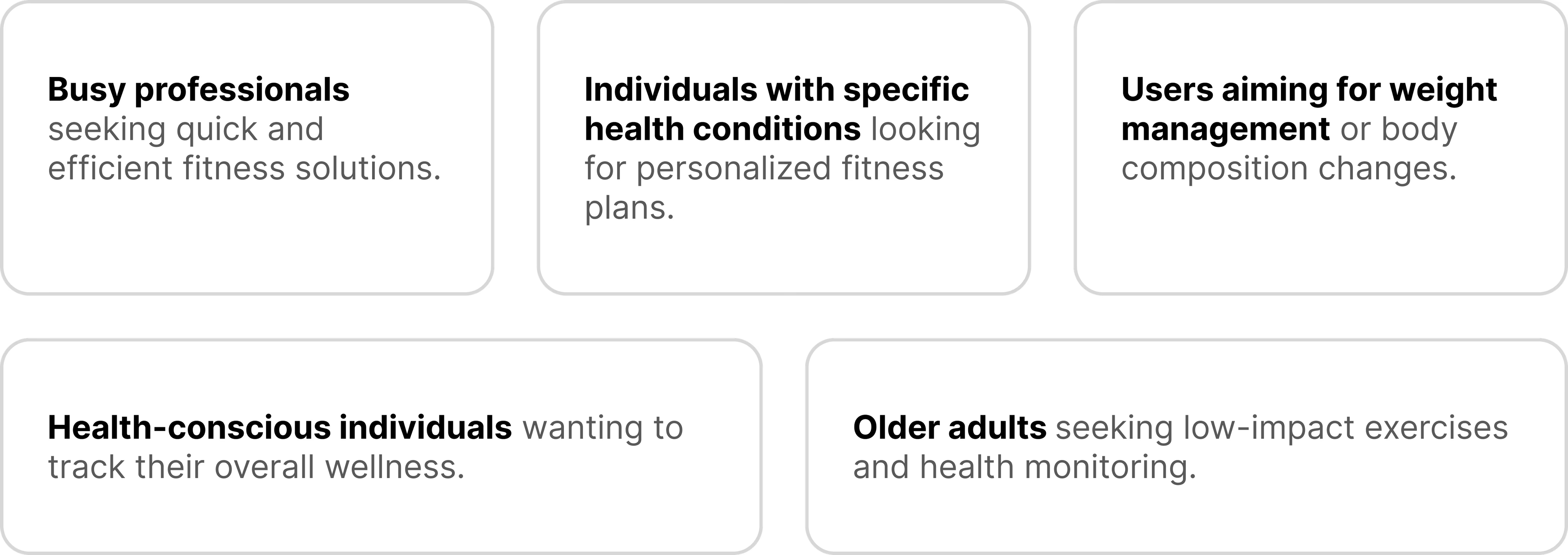
We interviewed potential users with different health goals, activity levels, and lifestyles.
Key Insights
People felt overwhelmed by dashboards full of numbers but struggled to understand which metrics actually mattered.
Generic recommendations quickly lost value. People expected advice tailored to their own health history, lifestyle, and goals.
Because recommendations were AI-generated, transparency became just as important as accuracy.
Users remained engaged when they could clearly see small improvements over time.
Research Questions
To better understand user expectations, interviews explored topics including:
Rather than validating assumptions, these conversations helped shape the product strategy.
Design Principles
Research eventually crystallized into four principles that guided every major design decision.
Reduce Cognitive Load
Present only what users need at the current moment.
Build Trust Before Asking for Commitment
Explain why information is collected before requesting sensitive data.
Personalize Every Interaction
Recommendations should adapt to each user's unique health profile.
Reward Consistency
Long-term habits matter more than perfect daily performance.
Experience Overview
Instead of treating features independently, the product was designed as one continuous journey.
Every feature supports one stage of this journey.
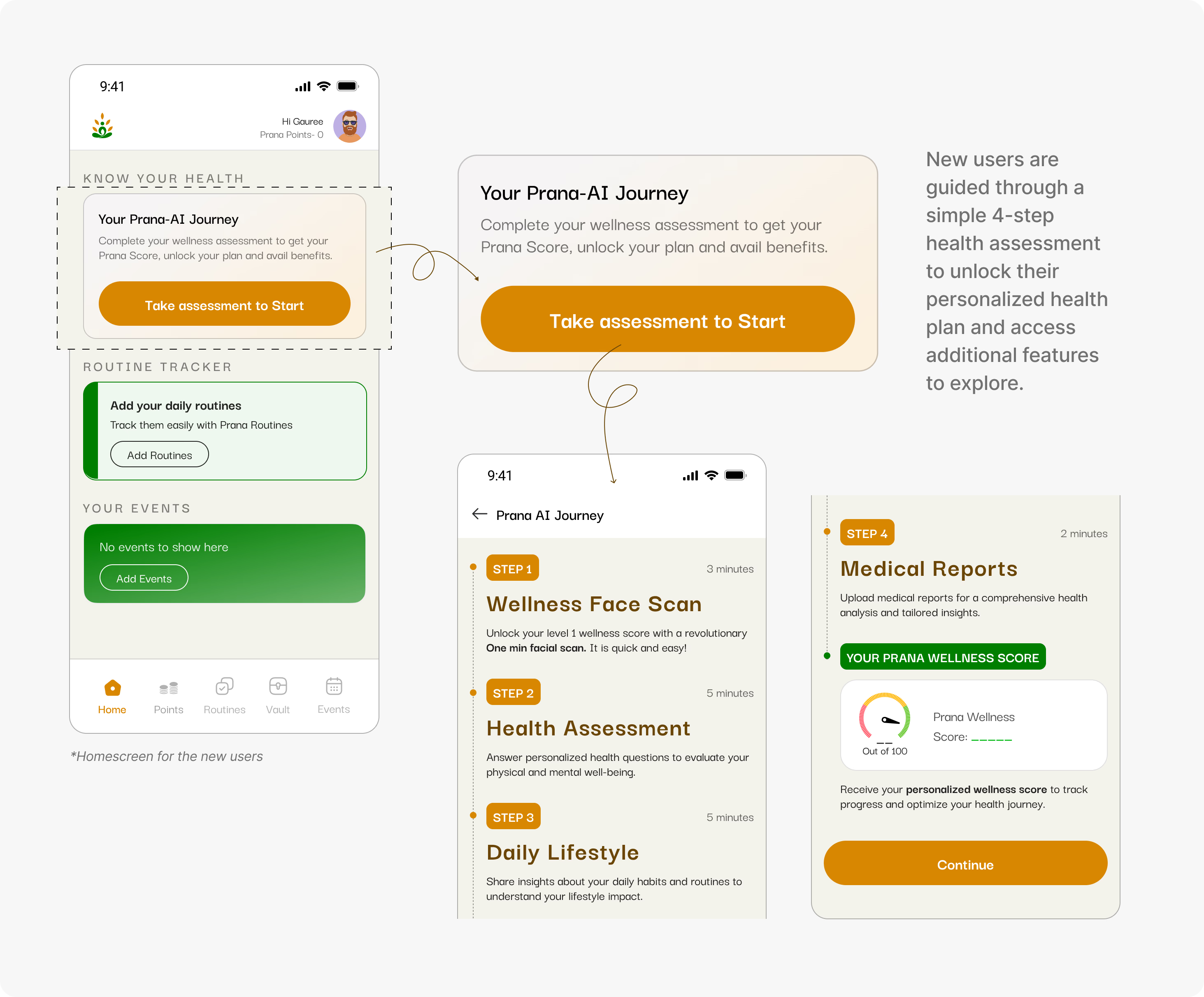
AI Wellness Assessment
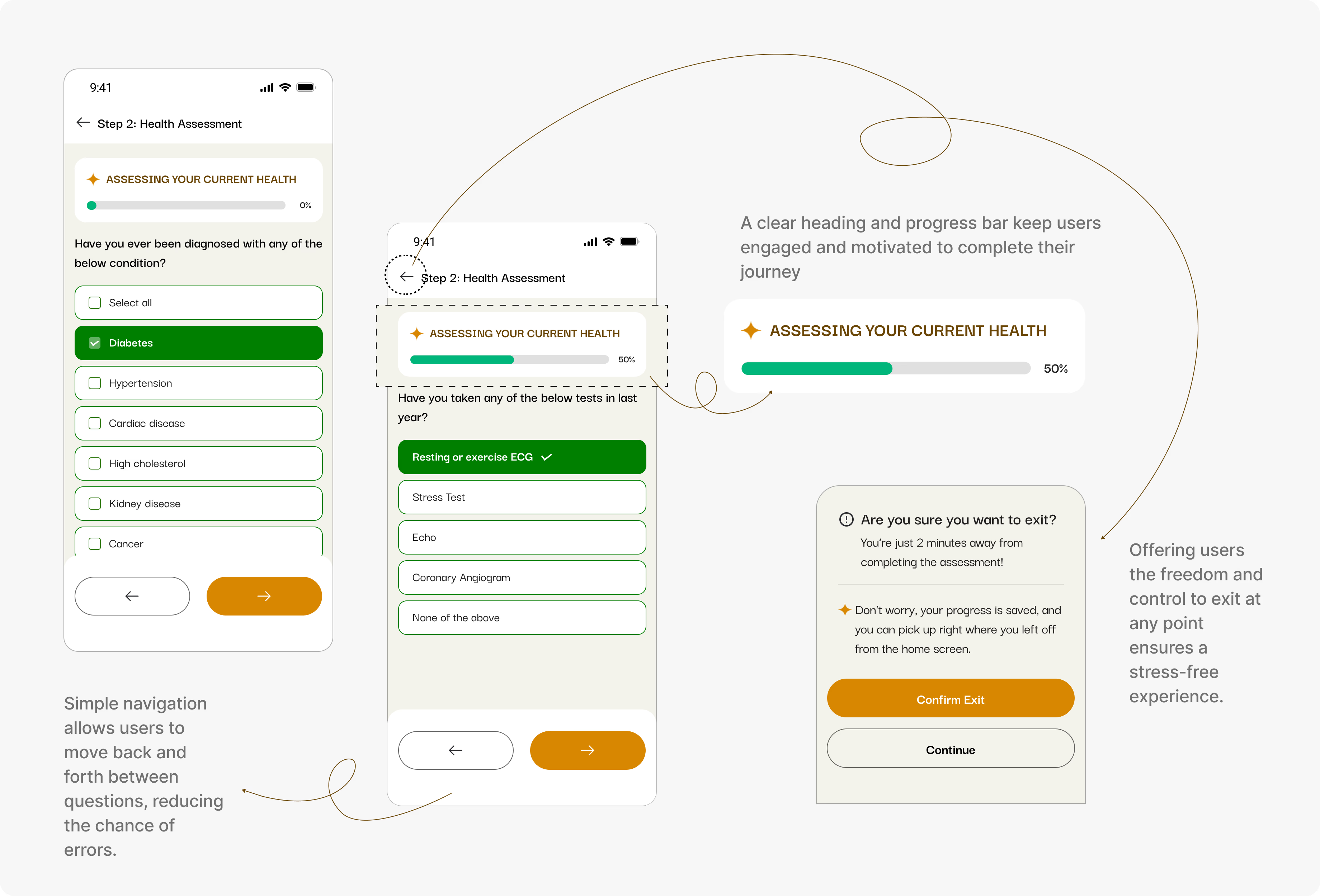
Traditional health assessments feel lengthy and intimidating, leading many users to abandon onboarding before receiving value.
Rather than presenting one long questionnaire, I divided the assessment into four progressive milestones.
Each completed step increases the user's investment while reducing perceived effort.
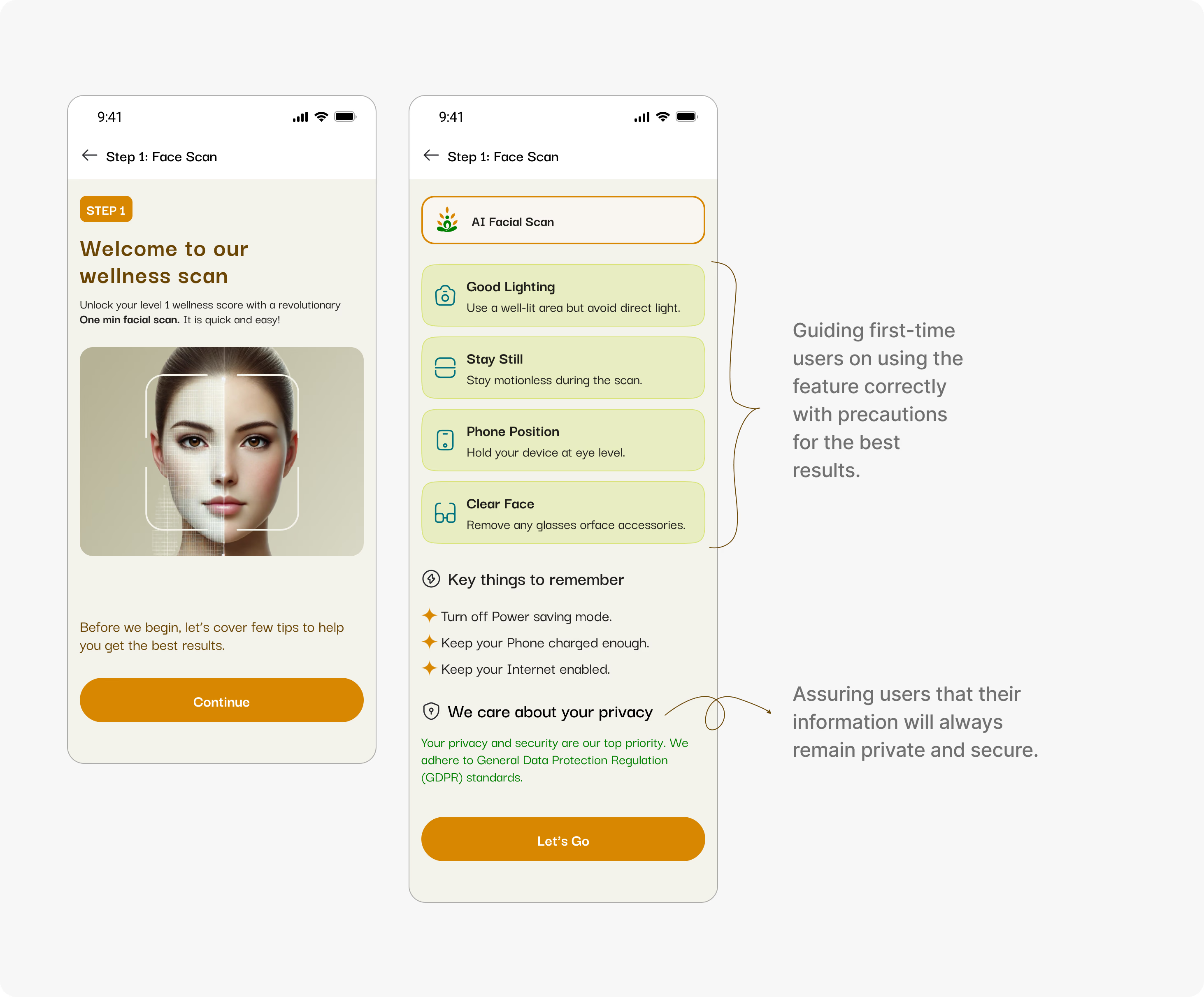
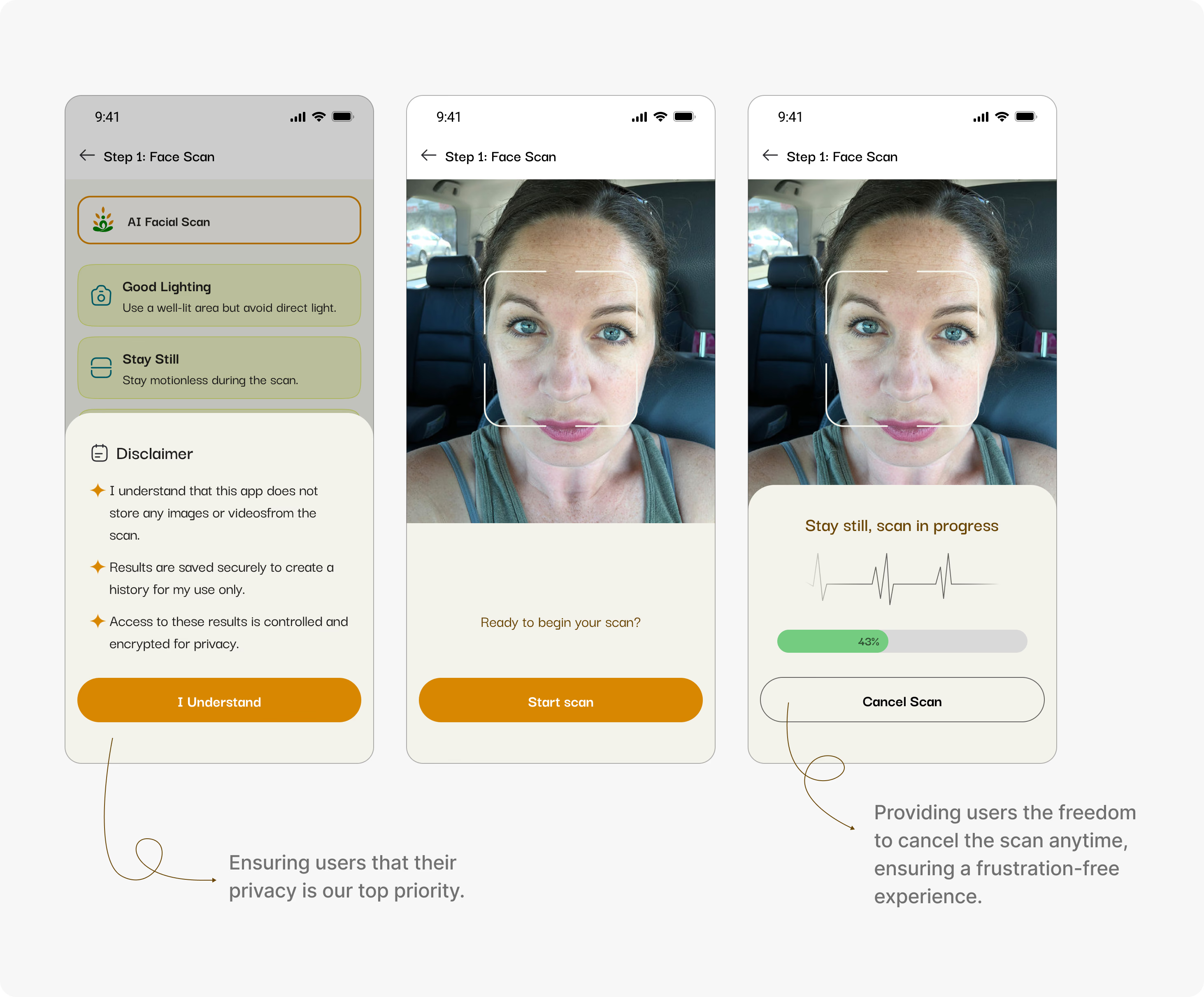
Designing Trust
Facial scanning introduces privacy concerns.
Instead of immediately requesting camera access, the experience first explains:
The objective wasn't simply to request permission.
It was to build confidence.
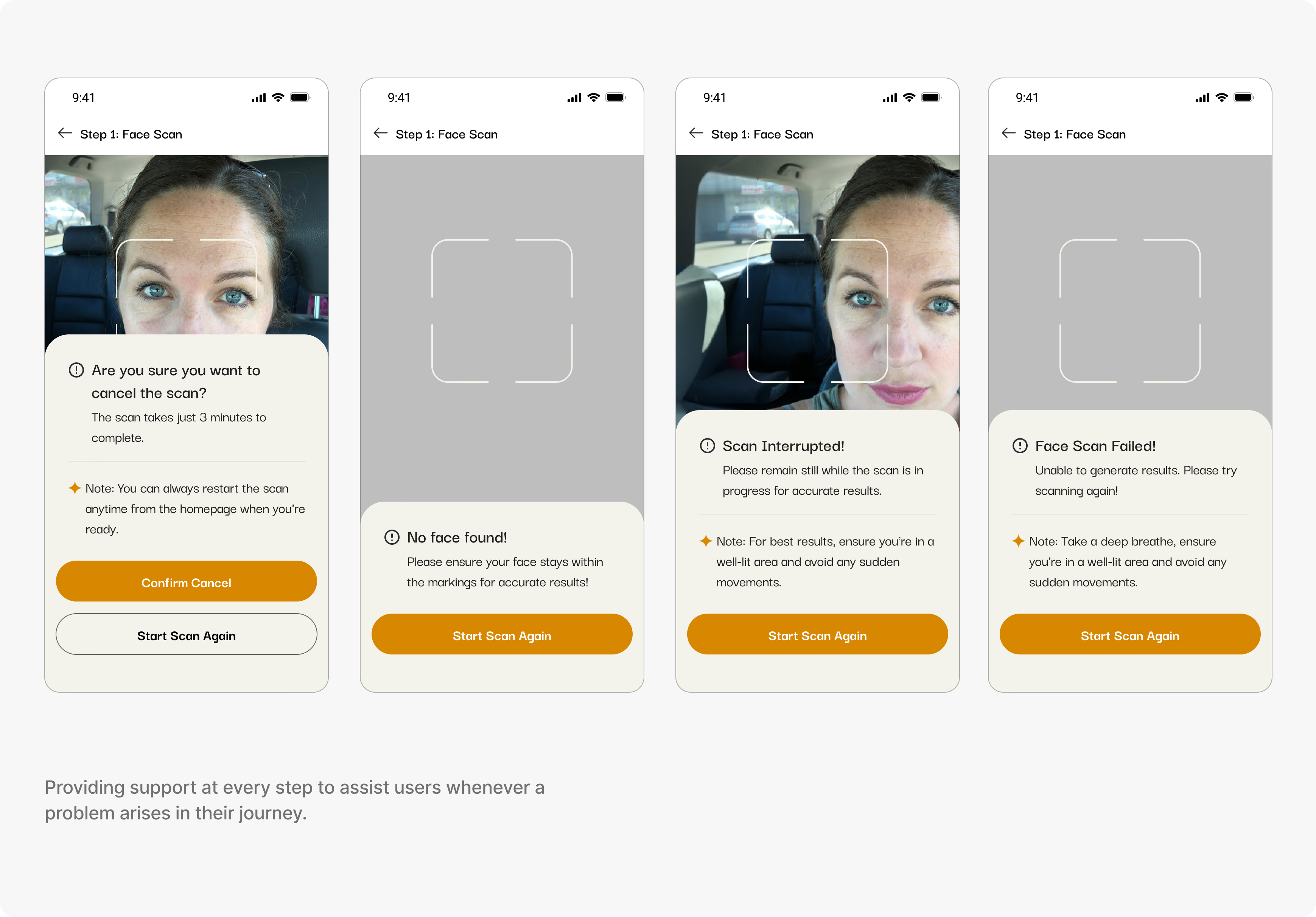
Designing for Failure
Real users don't follow ideal journeys.
I intentionally designed recovery experiences for situations such as:
Designing these edge cases reduced frustration and prevented dead ends.
Giving user control & Freedom
Offering users the freedom and control to exit at any point ensures a stress-free experience.
AI Wellness Score
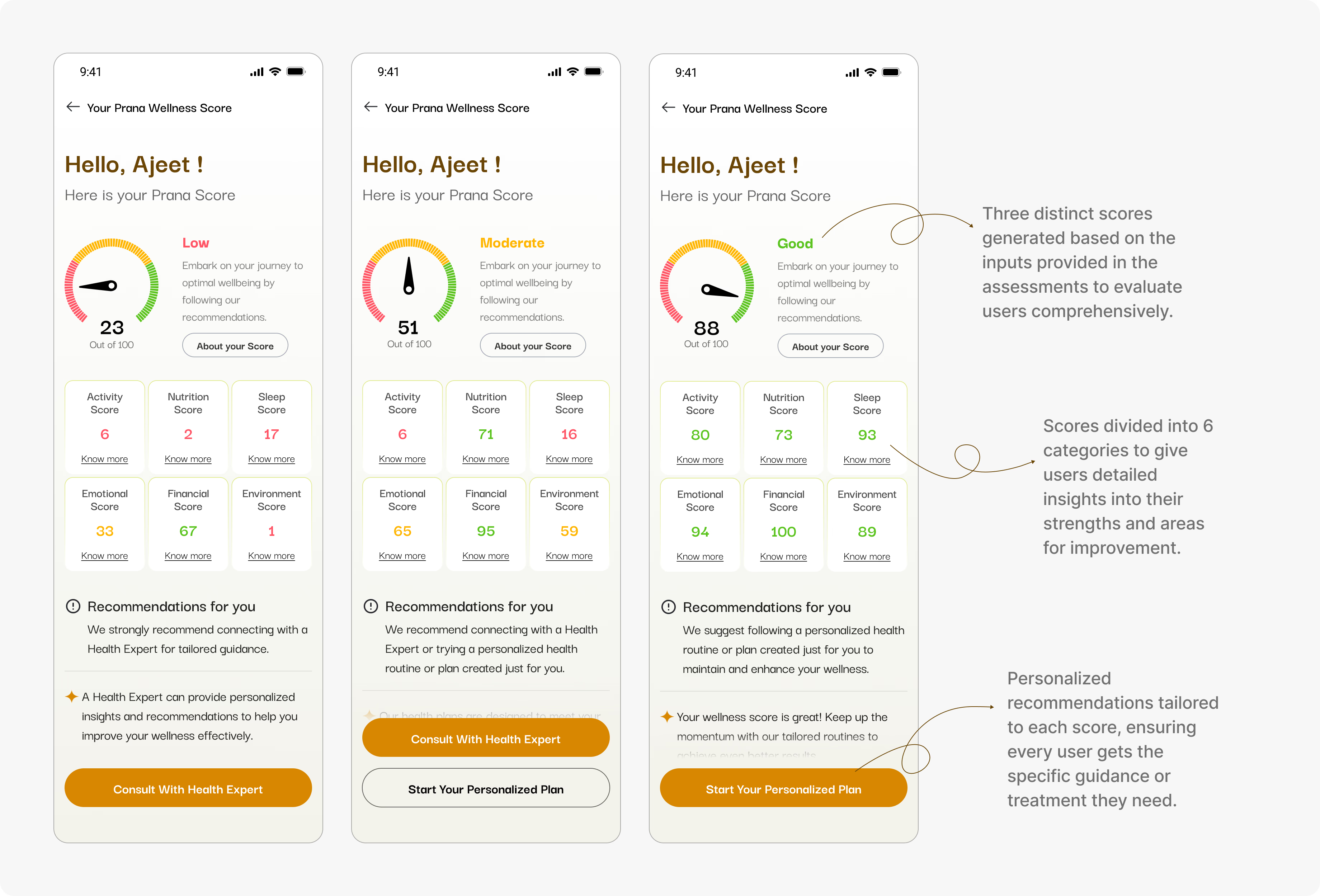
Rather than presenting raw medical information, the system summarizes multiple health dimensions into one understandable wellness score.
The score becomes the user's mental model for understanding their overall health.
Each result explains:
Instead of diagnosing users, the interface encourages healthier decisions.
Expert Consultations
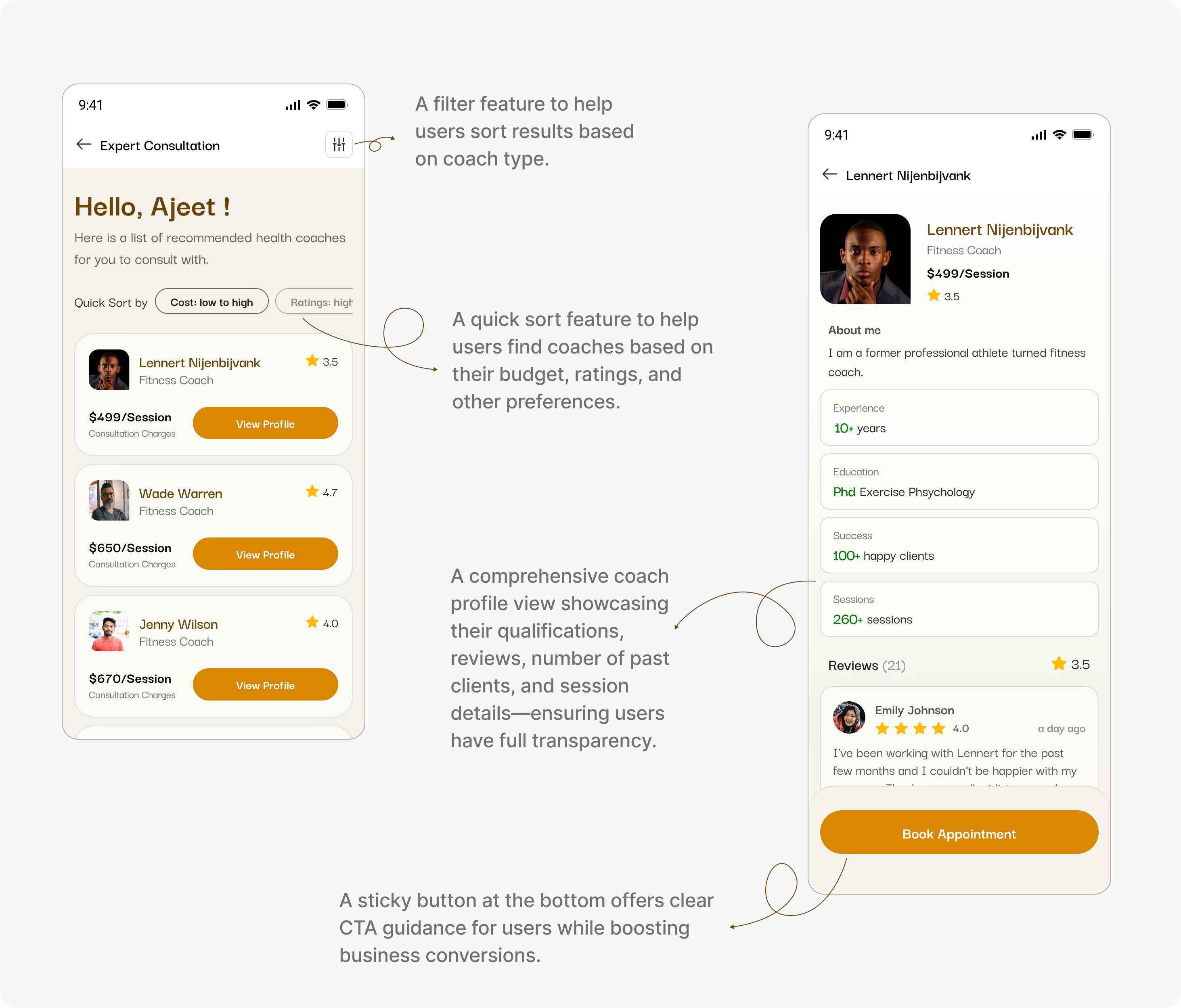
Recommendations are valuable only if users can easily act upon them.
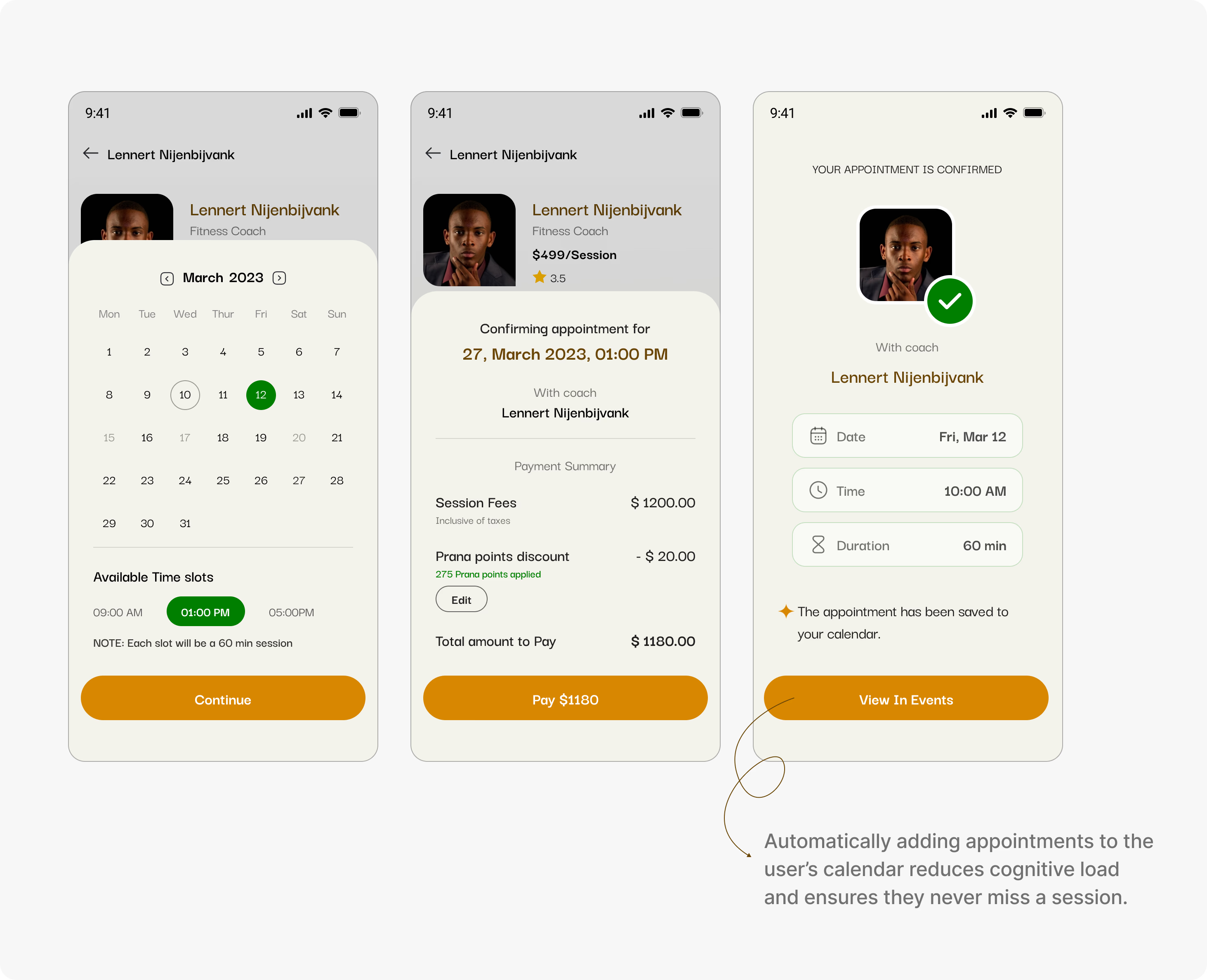
The consultation experience focused on minimizing friction.
Improvements included:
The booking experience requires only two meaningful decisions.
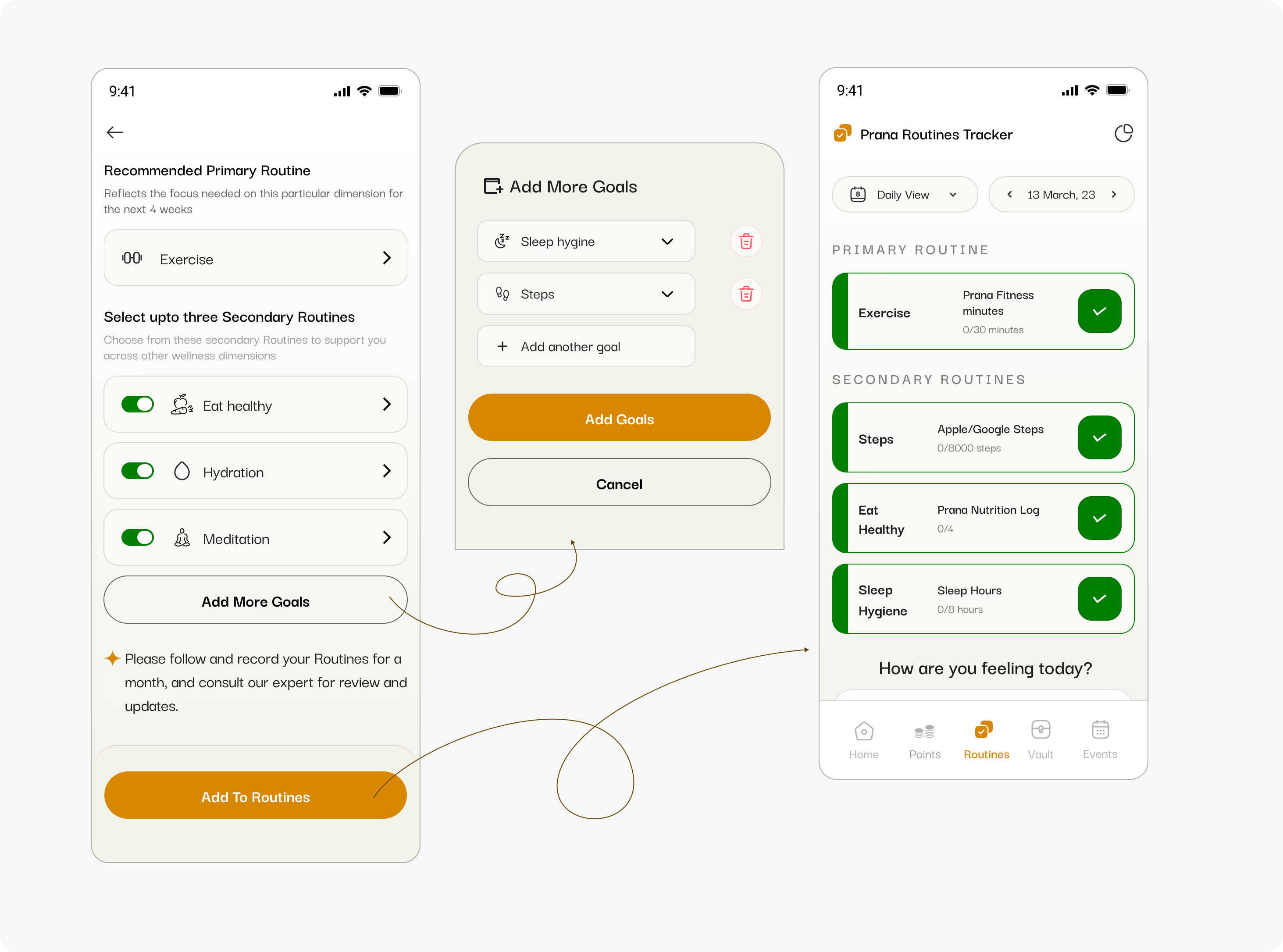
AI Generated Health Plans
Using the wellness assessment, AI recommends personalized routines tailored to individual goals.
Users can:
Recommendations become actionable daily habits instead of static suggestions.
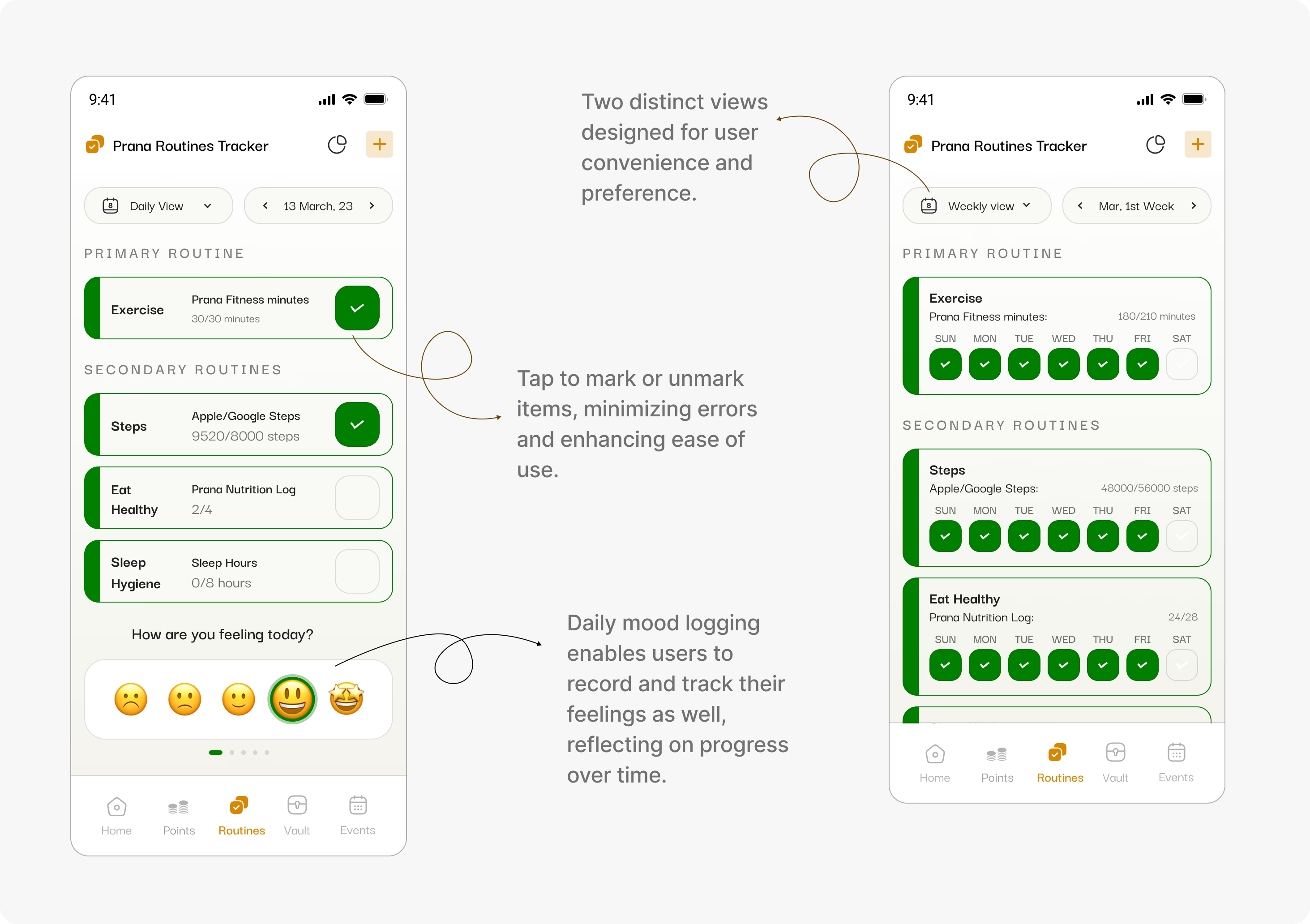
Routine Tracking
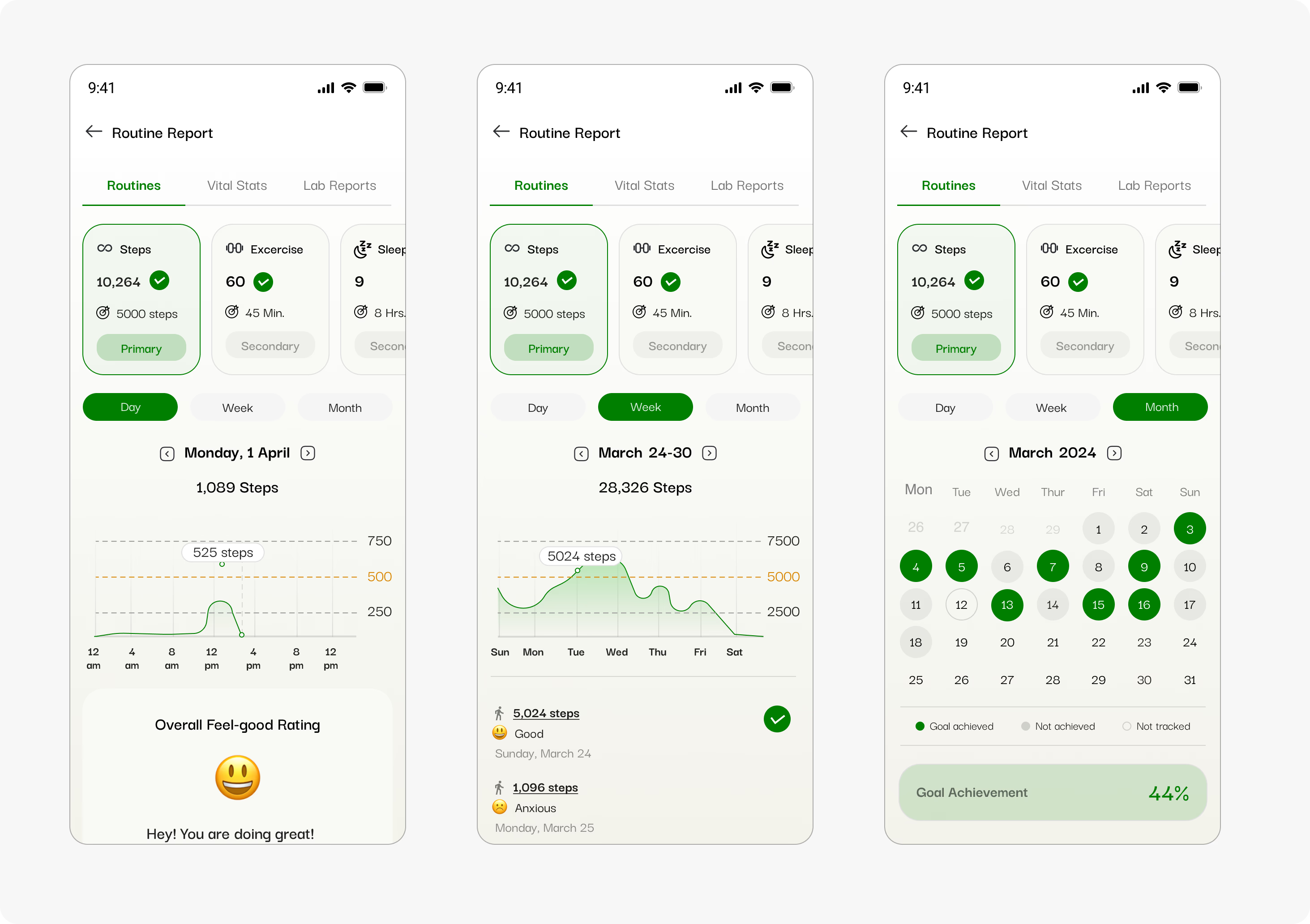
Long-term wellness depends on consistency.
The routine tracker was designed to reinforce positive behavior through:
Rather than rewarding perfection, the experience celebrates sustained progress.
Brand Identity
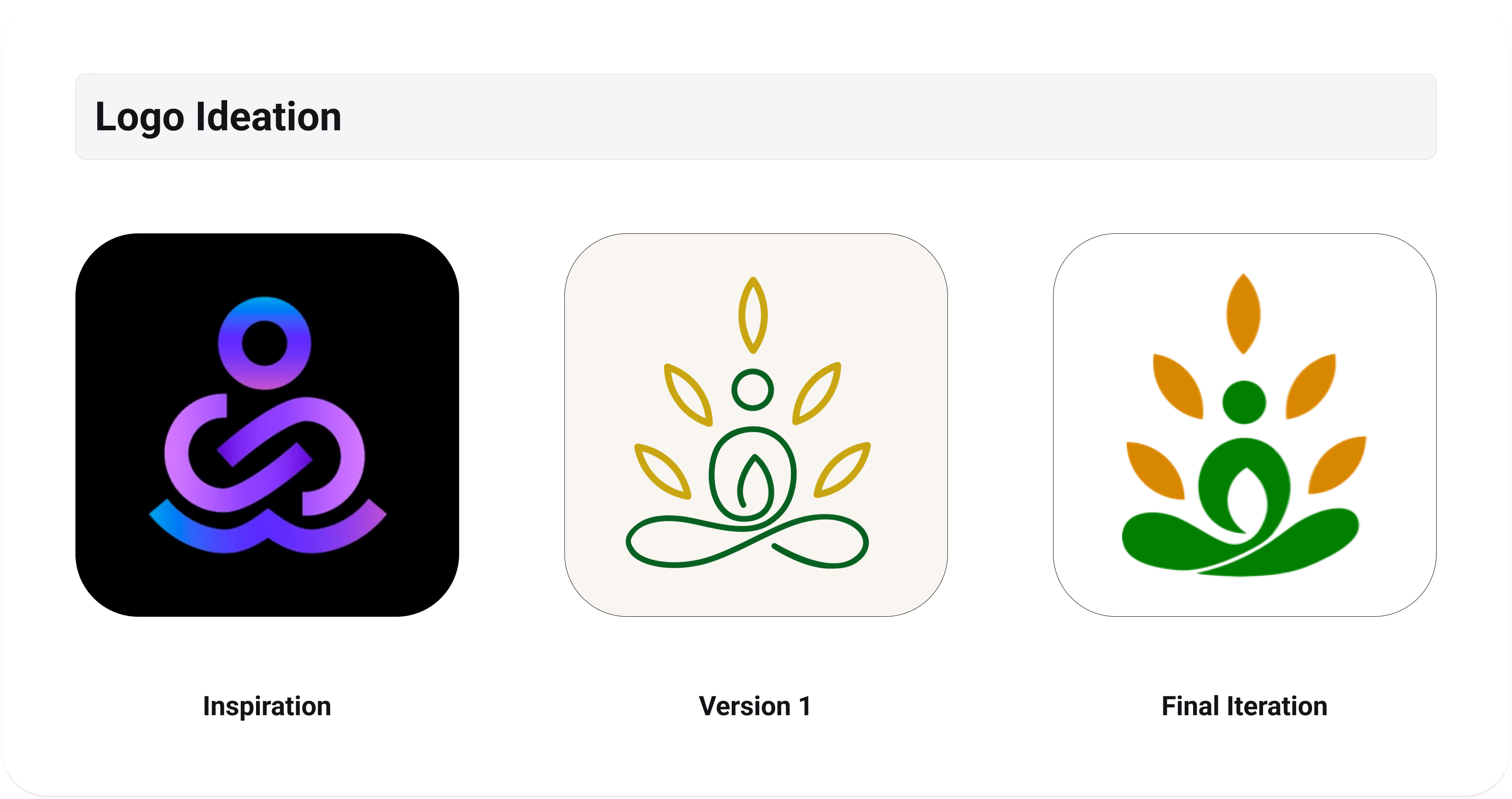
Alongside the product experience, I explored the visual identity of Prana AI.
The branding focused on three attributes:
These qualities influenced the logo, typography, iconography, and color palette, creating a consistent visual language across the product.
Results
After twelve months of collaboration, the MVP entered beta testing.
Early feedback validated many of our design decisions.
Outcomes
Reflection
Designing Prana AI fundamentally changed how I think about health technology.
The biggest lesson wasn't about AI.
It was about clarity.
People rarely struggle because they lack information.
They struggle because they don't know what to do with it.
By simplifying complexity, building trust before automation, and designing around long-term behavior instead of isolated interactions, we created a product that helps users make better decisions—not just collect more data.